Beat the Winter Rate Hike: Timing Your rPET Flake Purchases in Punjab
A practical playbook for Lahore & Faisalabad buyers to manage the winter rPET rate rise — timing, securing supply, and protecting margin without overpaying.

A recycled PET Certificate of Analysis lists the measured properties of a specific lot. The four numbers that matter most are intrinsic viscosity (IV), moisture, PVC contamination and total contamination — compare each against your process spec, batch by batch.
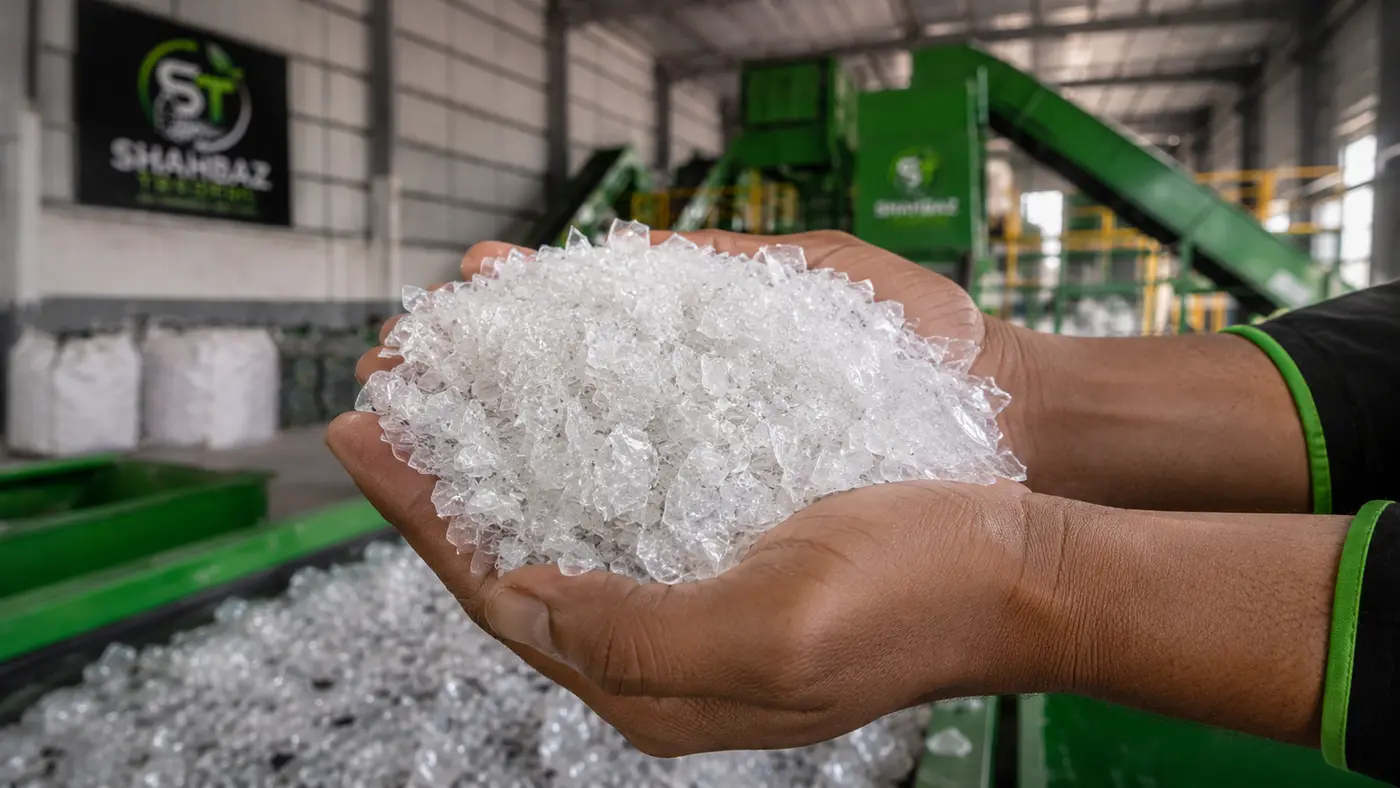
A Technical Data Sheet (TDS) states the target specification for a grade — the range a supplier commits to. A Certificate of Analysis (COA) reports the actual measured values for one production lot. Reputable rPET suppliers issue a COA with every shipment so you can confirm the material matches what you ordered.
IV is a measure of PET's molecular weight and, in practice, how it will process. A typical recycled PET IV is around 0.67–0.80 dL/g. If IV is too low, PET becomes brittle and creates more fines when granulated; if it's too high, the melt viscosity can interfere with moulding or spinning. Match IV to your process rather than assuming "higher is better."
Post-consumer PET flake moisture is generally specified below 1.0%, and cleaner grades target well under that. Moisture matters because PET is hygroscopic — even small amounts of water can break polymer chains at melt temperature, cutting IV and mechanical properties. Lower moisture means less pre-drying for you.
PVC is the single most damaging contaminant in PET recycling: it degrades and discolours PET during melting. Specifications hold it very low — often single-digit to low-tens of ppm. PP/PE (from caps) is also limited because it doesn't melt with PET.
Cleaner grades also report floatable/label content, metal, glass and black-speck counts. Indicative "good" targets seen in industry specs include floatables under ~15 ppm, metal under ~10 ppm and black-speck particles in the low tens of ppm — but always use the numbers on your supplier's TDS/COA.
Below are general industry-typical ranges for context only — not a specific product spec. Ask your supplier for their actual TDS and per-lot COA.
| Parameter | Typical range (context only) |
|---|---|
| Intrinsic viscosity (IV) | ~0.70–0.80 dL/g |
| Moisture | < 1.0% |
| PVC | Very low ppm (≈ <5–50 ppm) |
| Total contamination | Low tens of ppm |
Sources: Association of Plastic Recyclers — PET Rigid; INTCO — rPET Flakes for Fibre & Strapping; ScienceDirect — PVC in PET recycling.
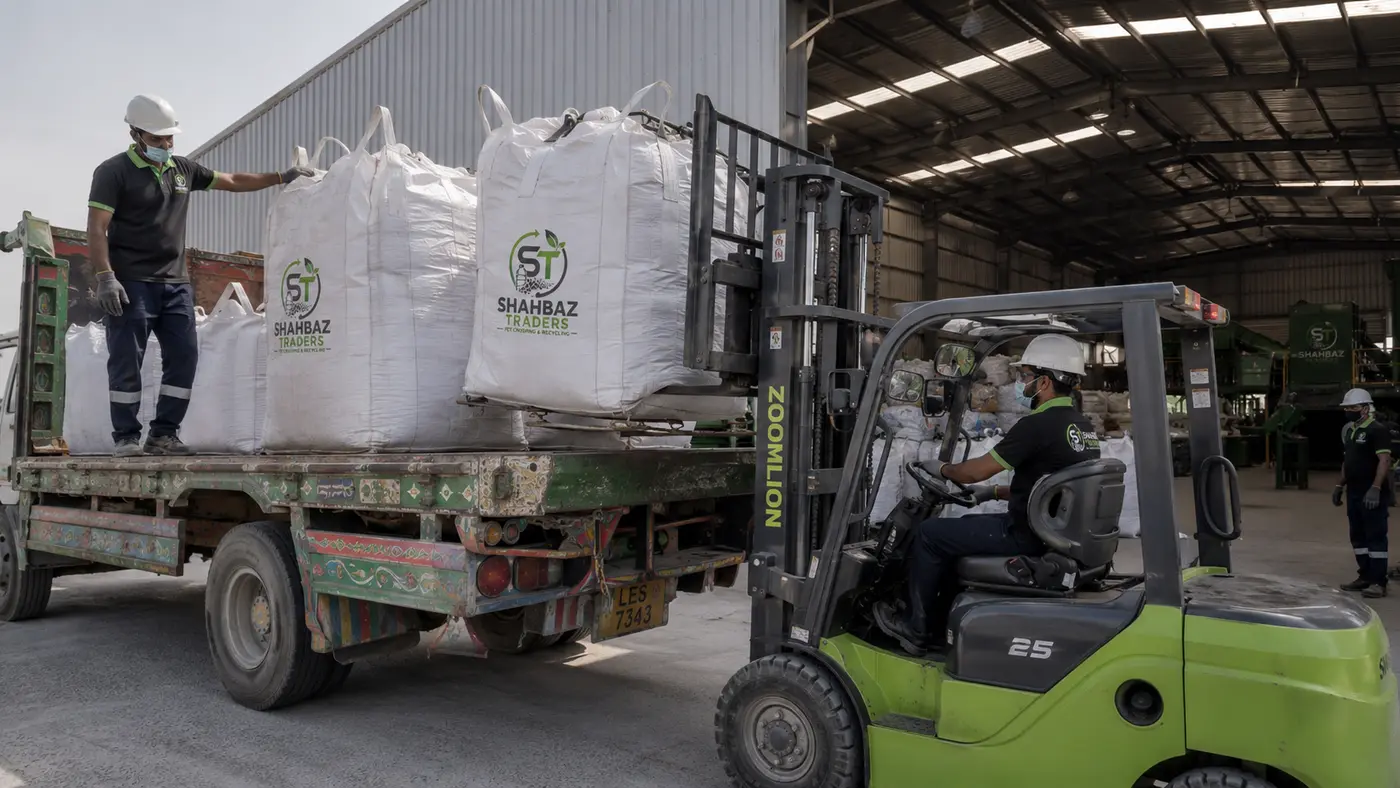
A practical playbook for Lahore & Faisalabad buyers to manage the winter rPET rate rise — timing, securing supply, and protecting margin without overpaying.
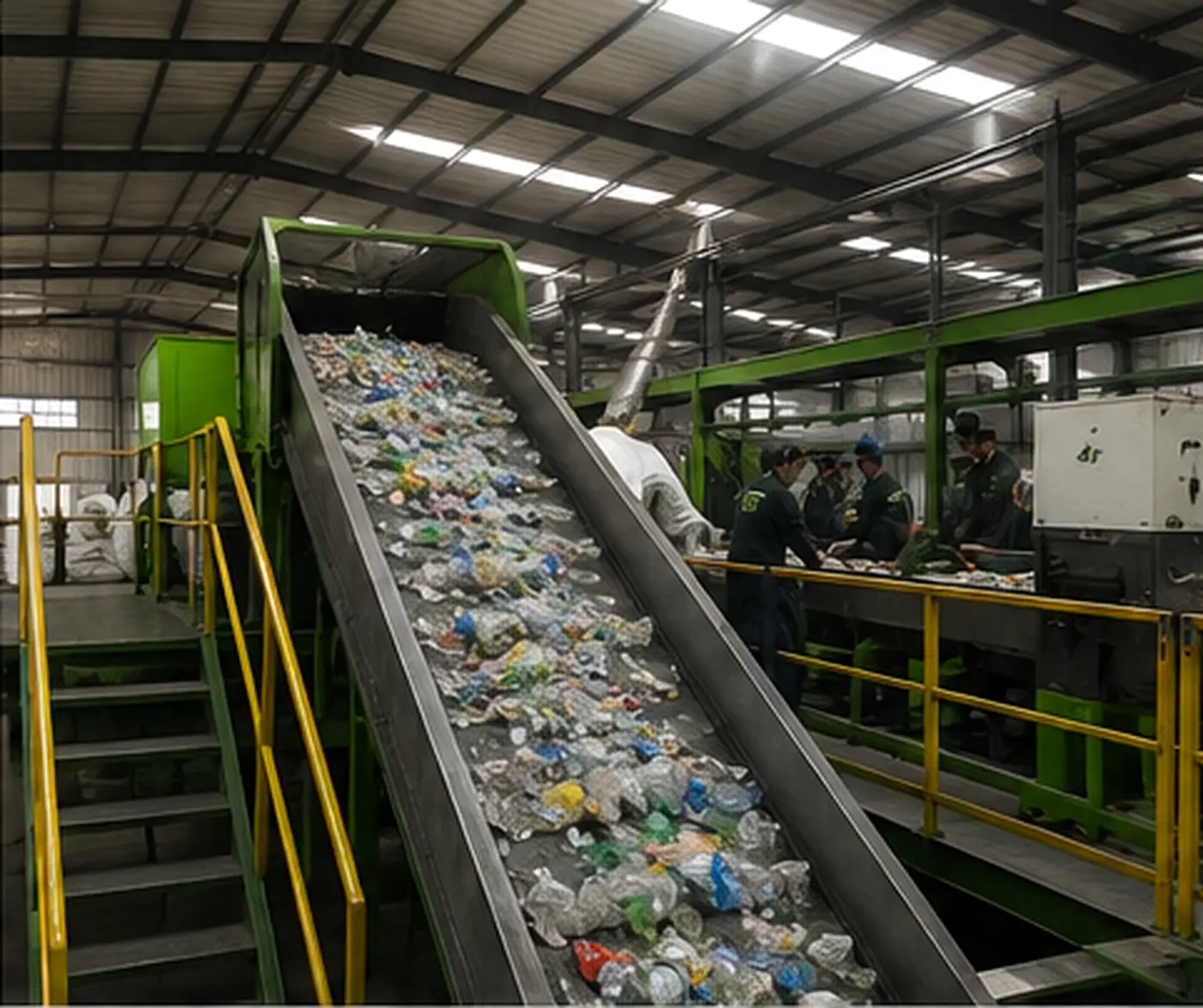
Raw PET bottle rates typically firm in winter — here is why, what sets your rate in Lahore, and how collectors and suppliers can make the most of the season.
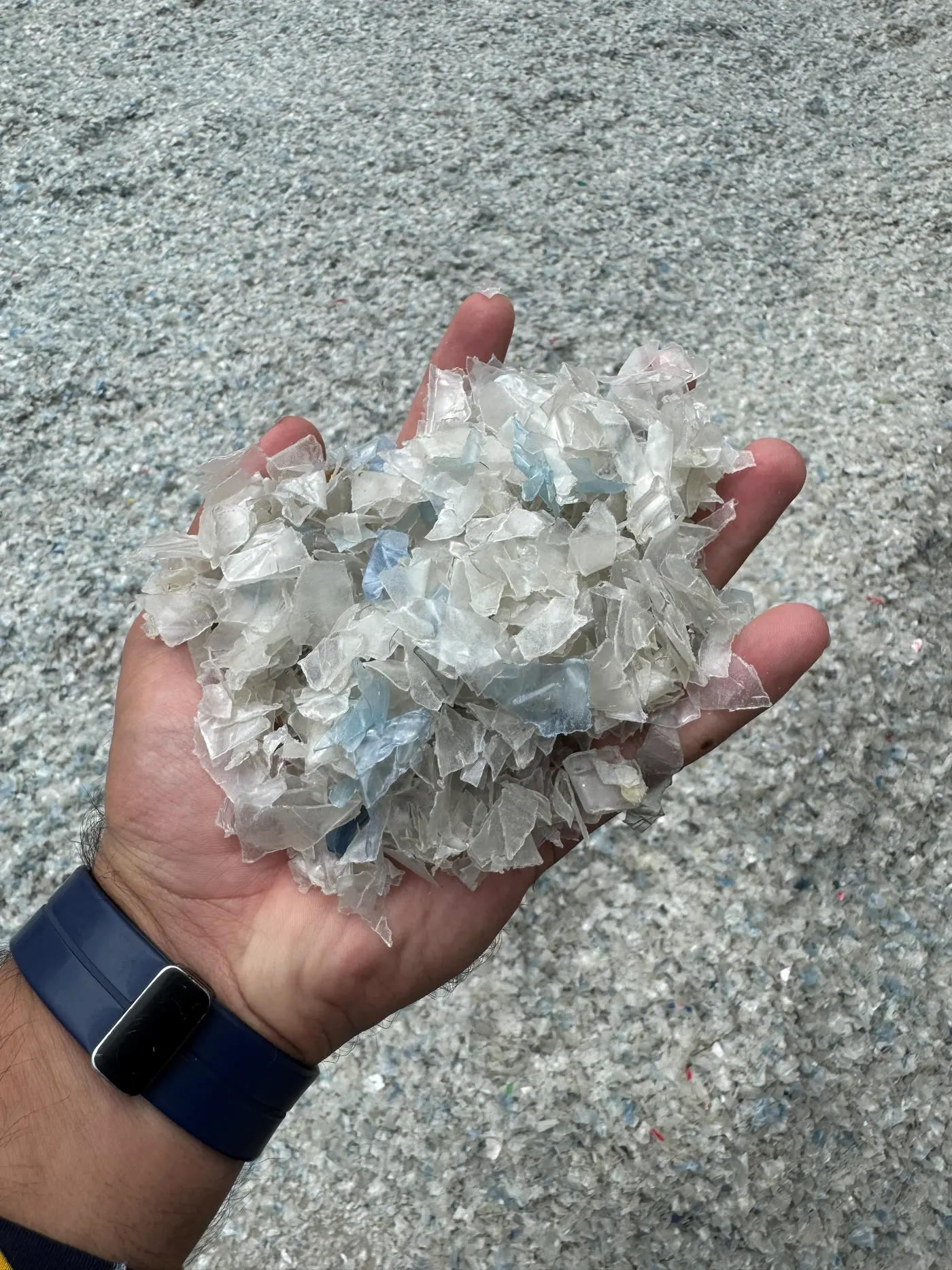
What “6 sooter” and other local PET flake grade names really mean — and the measurable specs (size, colour, wash, contamination) that decide quality and price.
Request a sample and its Technical Data Sheet — evaluate the numbers on your own line before you commit.
Tell us your grade, application and monthly volume. We’ll quote with the spec behind it — COA & TDS on request.
Fair buy-back rates, honest weighing and prompt payment for vendors, factories and collection points.