Beat the Winter Rate Hike: Timing Your rPET Flake Purchases in Punjab
A practical playbook for Lahore & Faisalabad buyers to manage the winter rPET rate rise — timing, securing supply, and protecting margin without overpaying.
PET bottles are recycled into flakes through mechanical recycling: collected and inspected, sorted by polymer and colour, crushed, separated from caps and labels in a float-sink tank, washed, rinsed, dried, then tested, packed and dispatched as rPET flakes.
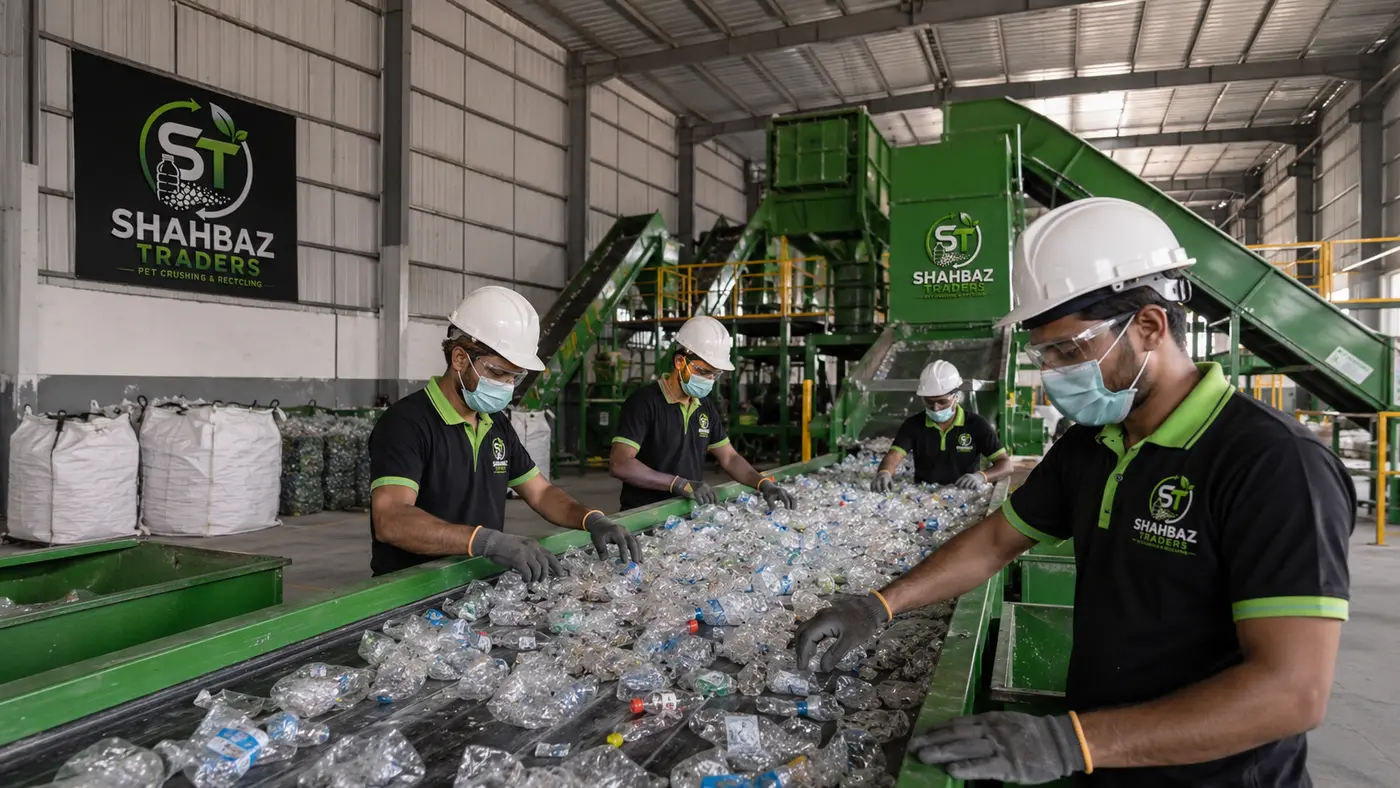
Here is the typical mechanical route from post-consumer bottle to finished flake, and the buyer benefit of each stage.
Post-consumer PET bottles are collected, weighed and logged, then checked for non-PET material and heavy contamination. Buyer benefit: problems are caught before processing, protecting output quality.
Bottles are separated from other polymers and graded by colour (clear vs mixed). Caps and labels are targeted for removal. Buyer benefit: consistent colour and fewer foreign polymers.
Bottles are size-reduced into flakes with an industrial granulator at a controlled particle size. Buyer benefit: uniform flake that feeds smoothly on your line.
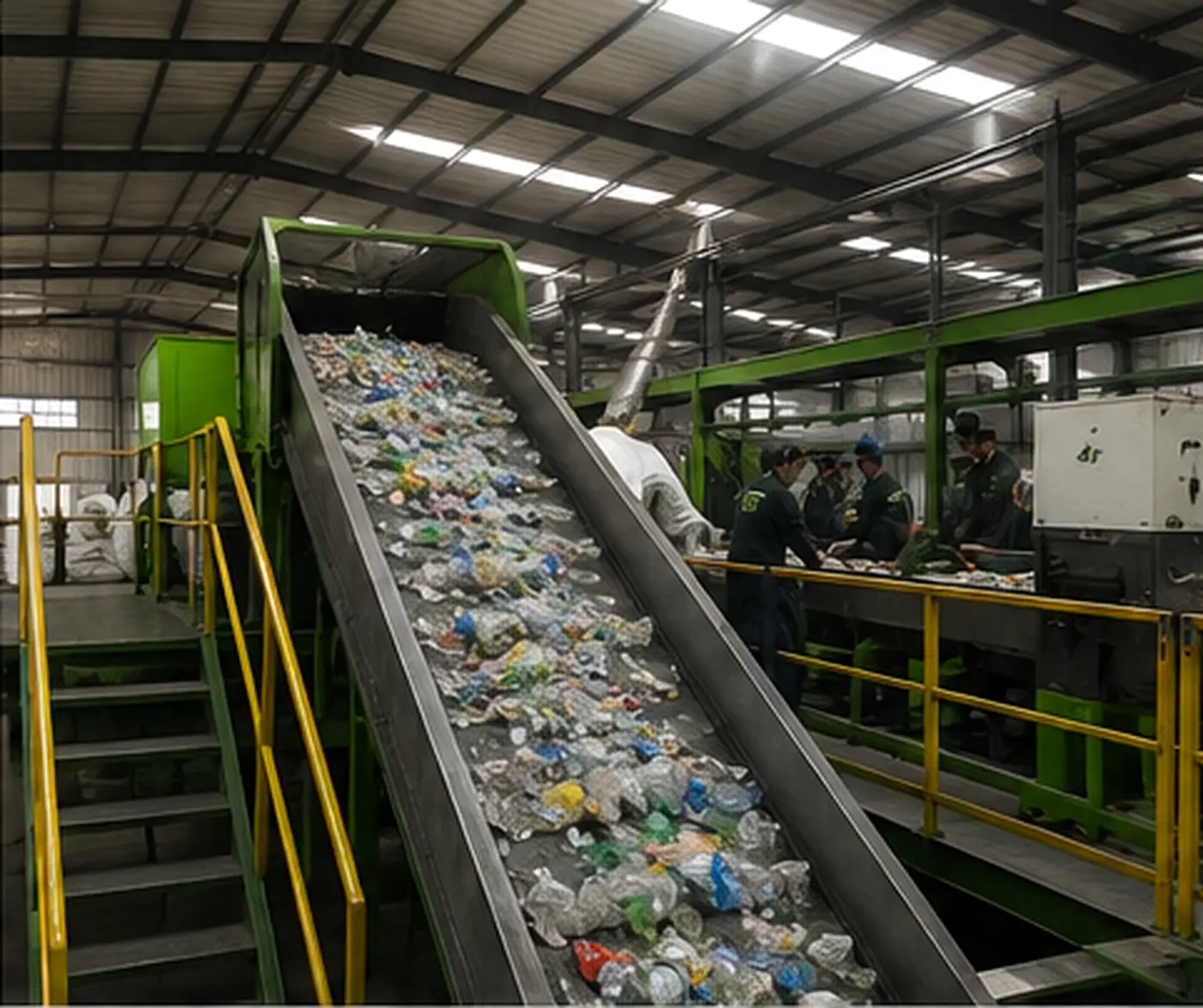
Flakes pass through a water density tank. PET is denser than water and sinks; lighter PP/PE caps, labels and paper float and are skimmed off. Buyer benefit: the key step for cutting PP/PE and label contamination.
Flakes are washed to remove dust, glue and oils. Cold washing handles surface dirt; hot caustic washing removes glue and grease for a cleaner, higher-grade flake. Buyer benefit: cleaner flake and better melt behaviour. More in hot vs cold wash.
A neutralising rinse follows, then the flakes are dried to a target moisture level. Buyer benefit: lower moisture means less pre-drying for you and less IV loss in the melt.
Flakes are tested (IV, moisture, PVC, contamination), given a batch ID, packed and dispatched with a Certificate of Analysis. Buyer benefit: documented, traceable quality per lot. See how to read an rPET COA.
The process above is mechanical recycling: PET is cleaned and physically reprocessed into flake without breaking its chemical structure. Chemical recycling depolymerises PET back to its building blocks (monomers) and rebuilds virgin-like resin — a separate, more energy-intensive and less common route, mainly used for food-grade resin production.
Related: Our PET recycling services · See the process in our gallery.
A practical playbook for Lahore & Faisalabad buyers to manage the winter rPET rate rise — timing, securing supply, and protecting margin without overpaying.
Raw PET bottle rates typically firm in winter — here is why, what sets your rate in Lahore, and how collectors and suppliers can make the most of the season.
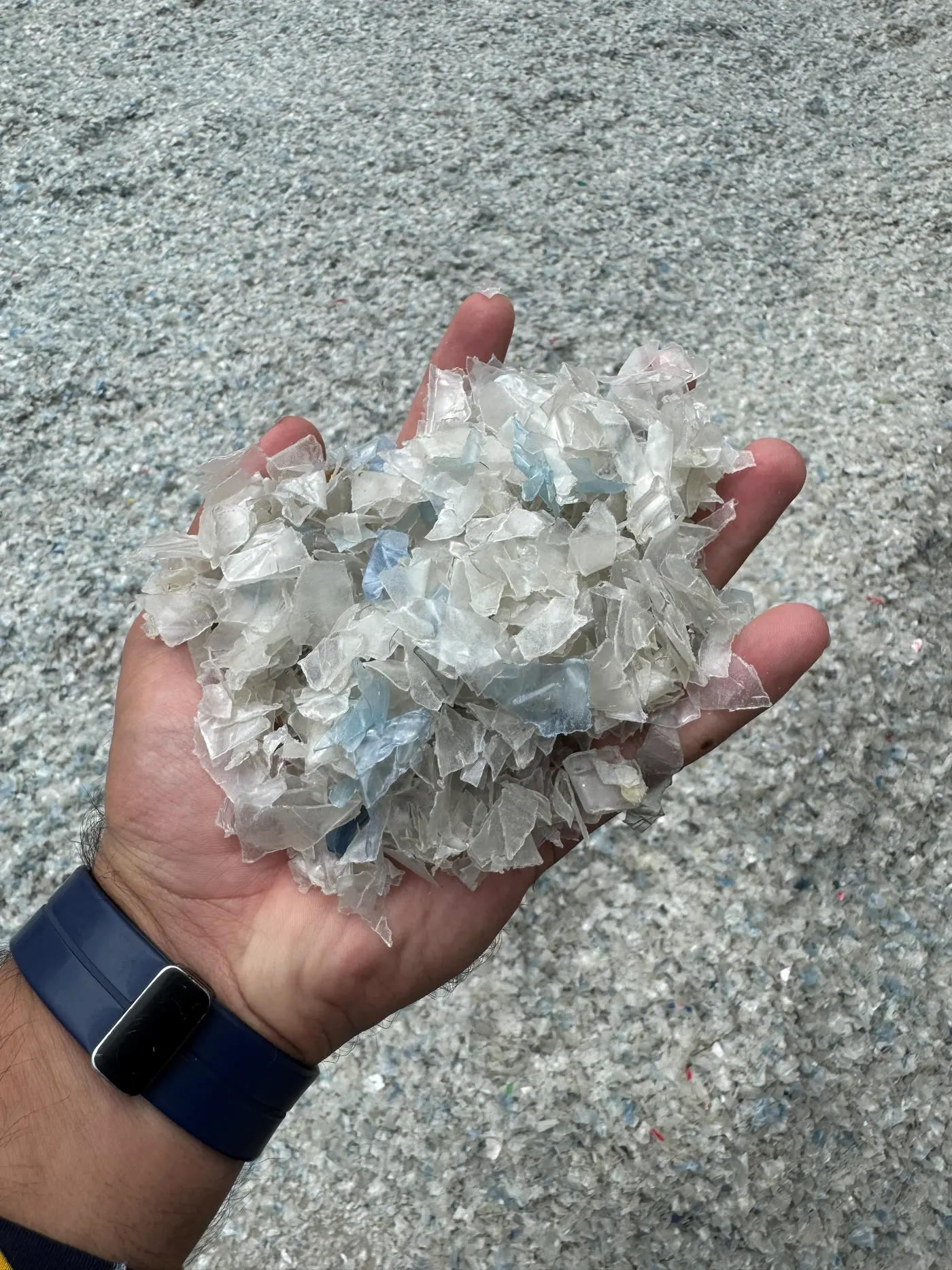
What “6 sooter” and other local PET flake grade names really mean — and the measurable specs (size, colour, wash, contamination) that decide quality and price.
We handle the whole chain — from collection to documented rPET flake supply. Let's talk.
Tell us your grade, application and monthly volume. We’ll quote with the spec behind it — COA & TDS on request.
Fair buy-back rates, honest weighing and prompt payment for vendors, factories and collection points.