Recycled Polyester for Faisalabad’s Textile Belt: How Mills Cut Costs with rPET
The business case for rPET in Faisalabad’s mills — where the cost savings come from, how quality protects yield, and why recycled content wins buyers.
Pakistan’s textile belt is the single biggest buyer of recycled PET. For polyester staple fibre and filament producers, the right rPET flake means cleaner spinning, fewer breaks and consistent yarn. Here is what to specify and how to source it.
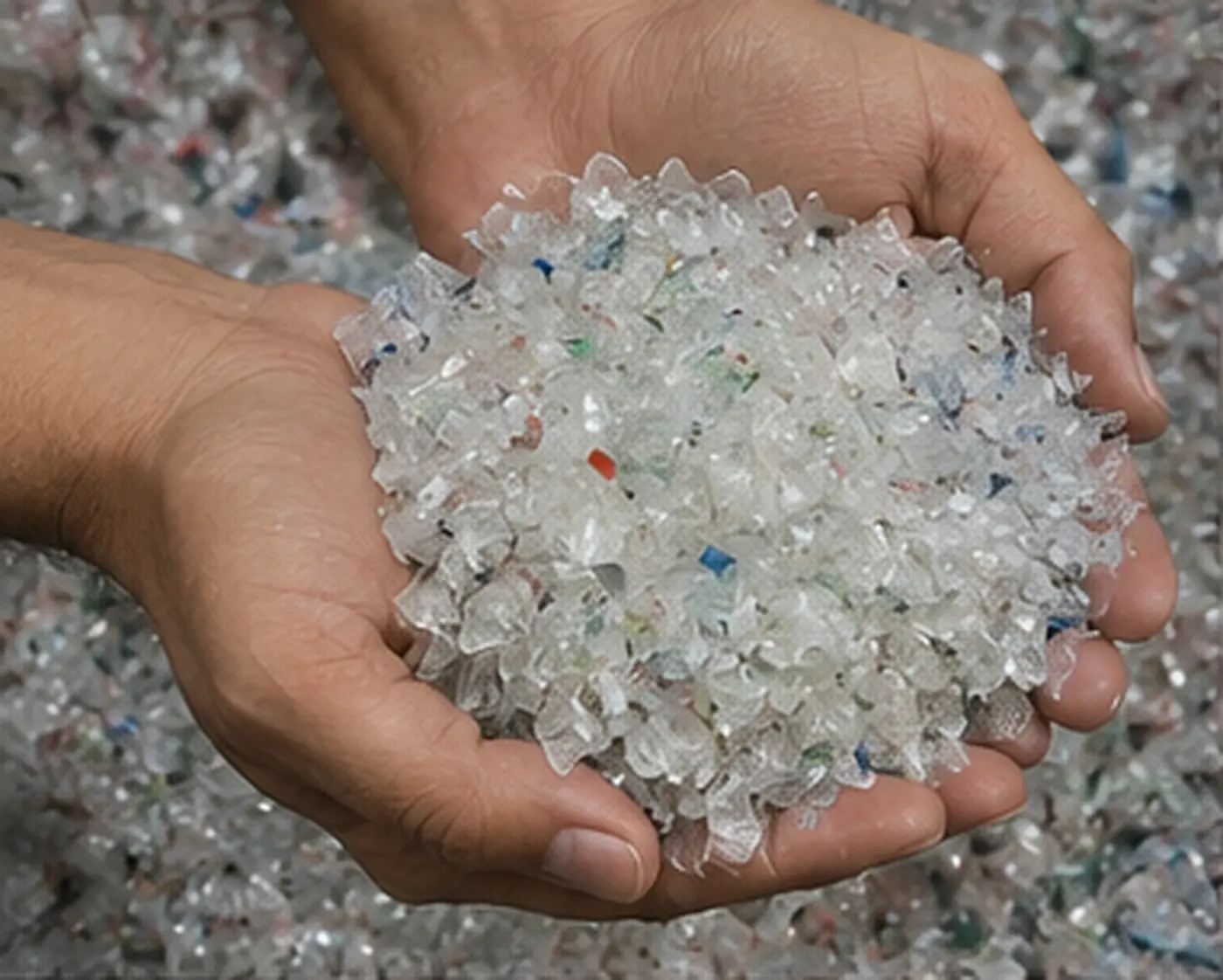
Polyester dominates Pakistan’s man-made fibre demand, and recycled PET is an increasingly important feedstock for it. For a spinning mill, rPET flake is not a commodity to buy on price alone — it is a raw material that either runs cleanly through your line or fills it with fines, breaks and colour defects. Getting the specification and the supplier right protects both your yield and your yarn quality.
Recycled PET flake can be spun into polyester staple fibre (PSF) and, with the right grade, filament — feeding everything from spun yarn to nonwovens and filling. Because Pakistan’s textile industry is so large and concentrated in Punjab (with Faisalabad as a hub), fibre demand is what anchors the whole rPET market. If you run a mill, you are the customer the recycling chain is built around.
Three parameters decide how flake behaves on a fibre line:
PVC degrades and discolours PET at melt temperature, producing yellowing, specks and weak points that show up as breaks and defects in yarn. PP/PE from caps does not melt with PET and creates unmelts. That is why serious recyclers rely on float-sink separation and disciplined sorting to strip these out — and why your COA should report PVC in low ppm.
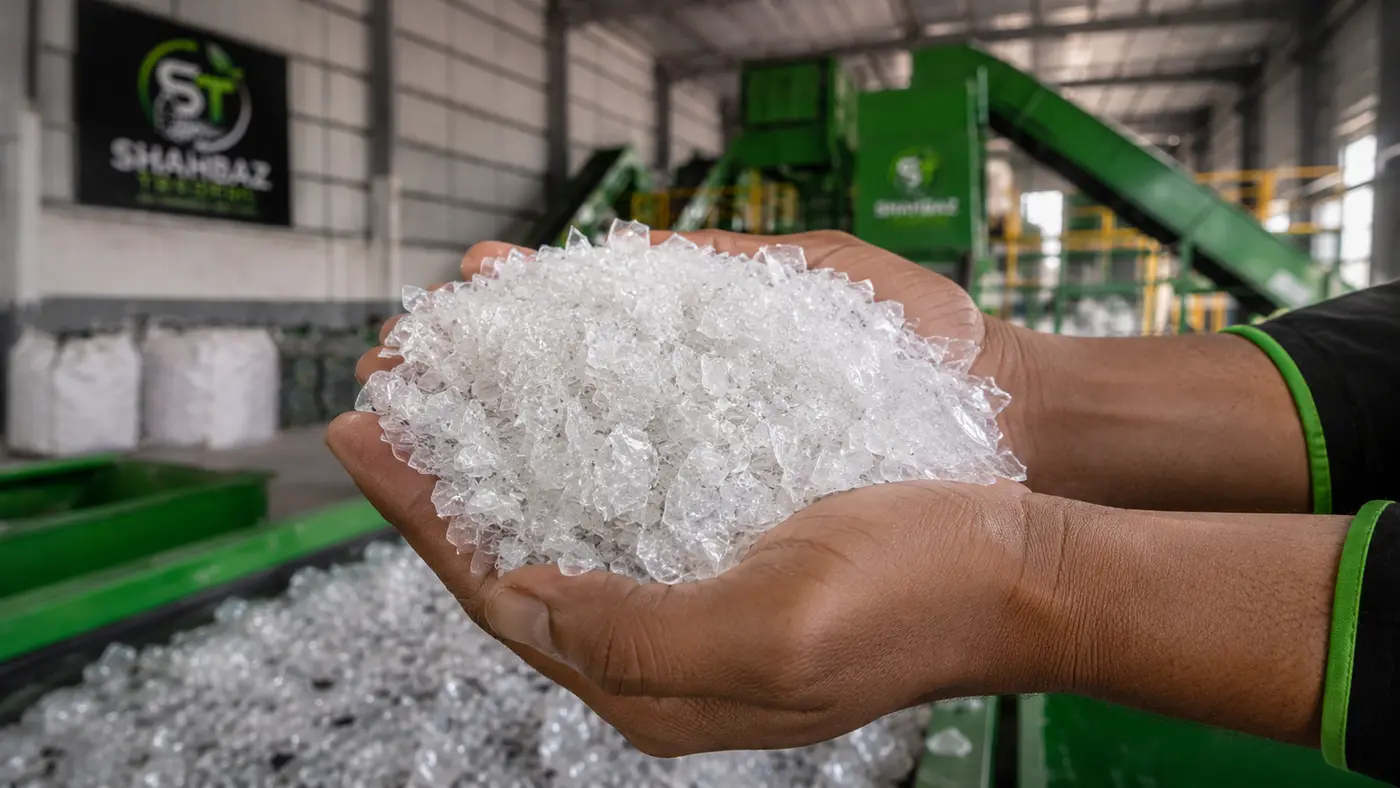
For demanding spinning, hot-washed flake is usually the right choice: heated caustic washing removes glue, grease and oily residues, giving cleaner melt behaviour and fewer defects. Cold-washed flake is cheaper and can suit lower-spec uses, but for fibre quality most mills should specify hot-washed, colour-sorted material. (More in hot vs cold wash.)
Yarn appearance depends on consistent flake colour. Specify a clear or a defined coloured stream, and ask how the supplier keeps colour consistent batch to batch. A supplier who colour-sorts and tests per lot will save your quality team constant firefighting.
Buying rPET from a domestic recycler has concrete advantages for a mill:
Tell us your IV, moisture and colour targets — we’ll match a grade and send a sample with its TDS.
Request a Quote WhatsApp usReflects standard practice for spinning recycled PET into polyester fibre. Chart severity ranking is illustrative.
The business case for rPET in Faisalabad’s mills — where the cost savings come from, how quality protects yield, and why recycled content wins buyers.
A practical playbook for Lahore & Faisalabad buyers to manage the winter rPET rate rise — timing, securing supply, and protecting margin without overpaying.
Raw PET bottle rates typically firm in winter — here is why, what sets your rate in Lahore, and how collectors and suppliers can make the most of the season.
Whether you have PET to sell or need premium recycled flakes, our team is ready to help you build a cleaner, more profitable supply chain.
Tell us your grade, application and monthly volume. We’ll quote with the spec behind it — COA & TDS on request.
Fair buy-back rates, honest weighing and prompt payment for vendors, factories and collection points.