rPET for Polyester Fibre Mills in Pakistan: Specs, Sourcing & Quality Control
For polyester fibre and filament mills in the Faisalabad/Punjab belt — what rPET spec to demand, and how to source consistent flake.
Recycled PET isn’t just greener — for Faisalabad’s fibre and yarn mills it’s a genuine cost lever. This article makes the business case: where the savings come from, how quality protects your yield, and how recycled content is becoming a market-access requirement.
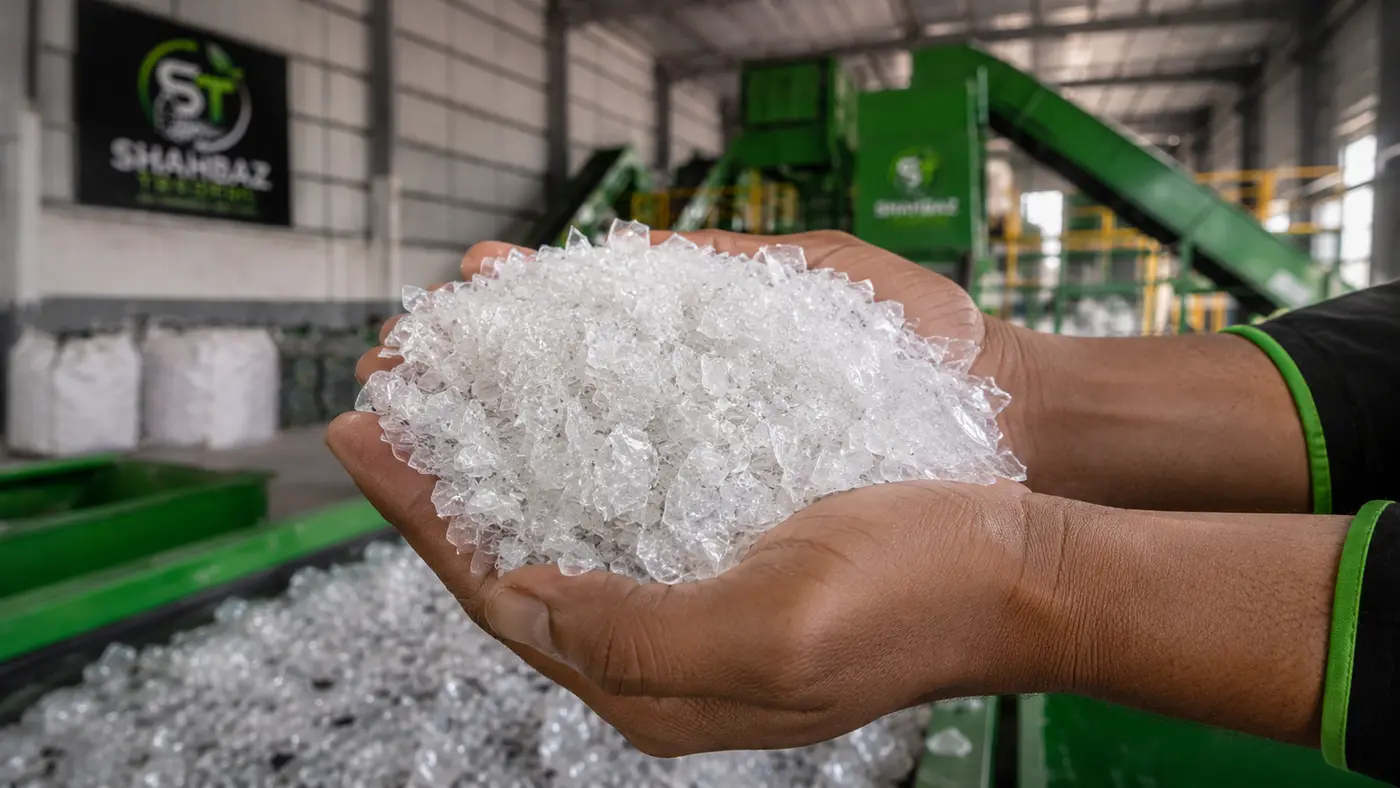
For a Faisalabad fibre or yarn mill, every rupee of raw-material cost matters, because polyester feedstock is one of the largest lines on the sheet. That’s exactly why recycled PET (rPET) has moved from “nice to have” to a serious cost lever. Done right, it lowers your feedstock cost and opens doors with buyers who now ask for recycled content. Done carelessly — chasing the cheapest flake — it can cost you more than virgin. This article is about doing it right.
There are three layers of cost benefit, and mills that capture all three see the real advantage:
Here’s the part that separates mills that profit from rPET from those that get burned. A flake that looks fine in the bag can still carry high moisture, off-target IV, or PVC contamination — and those show up on your line as fines, breaks, yellowing and rejected yarn. Once you count downtime, extra drying and quality claims, that “cheap” flake becomes the most expensive input you bought. The lesson: judge on total cost and consistency, not price per kilo.
Protect the cost case by controlling the three numbers that matter — IV (commonly ~0.70–0.80 dL/g), moisture (typically below 1%), and contamination (especially PVC). Insist on hot-washed, colour-sorted flake and a per-lot COA. See how to read an rPET COA and rPET for fibre mills for the technical detail.
There’s a second business reason beyond cost. Export buyers and multinational brand partners increasingly require recycled content and responsible sourcing. For a Faisalabad mill, being able to say “we run recycled PET, sourced locally and documented” is becoming a condition of winning certain orders — turning a cost decision into a revenue one. Building recycled content into your process now puts you ahead of that requirement rather than scrambling later.
The gap between rPET and virgin PET isn’t fixed — it widens and narrows with the market. When virgin PET and oil prices are high, the recycled discount is especially valuable; when virgin softens, the gap can compress. A mill that understands this can lean into rPET harder when the spread is wide. We explain the drivers in rPET flake prices in Punjab.
We’ll send a sample with its TDS matched to your IV and moisture targets — test the yield on your own line before you commit.
Request a Quote WhatsApp usReflects standard practice for recycled PET in polyester fibre production. Chart values are illustrative.
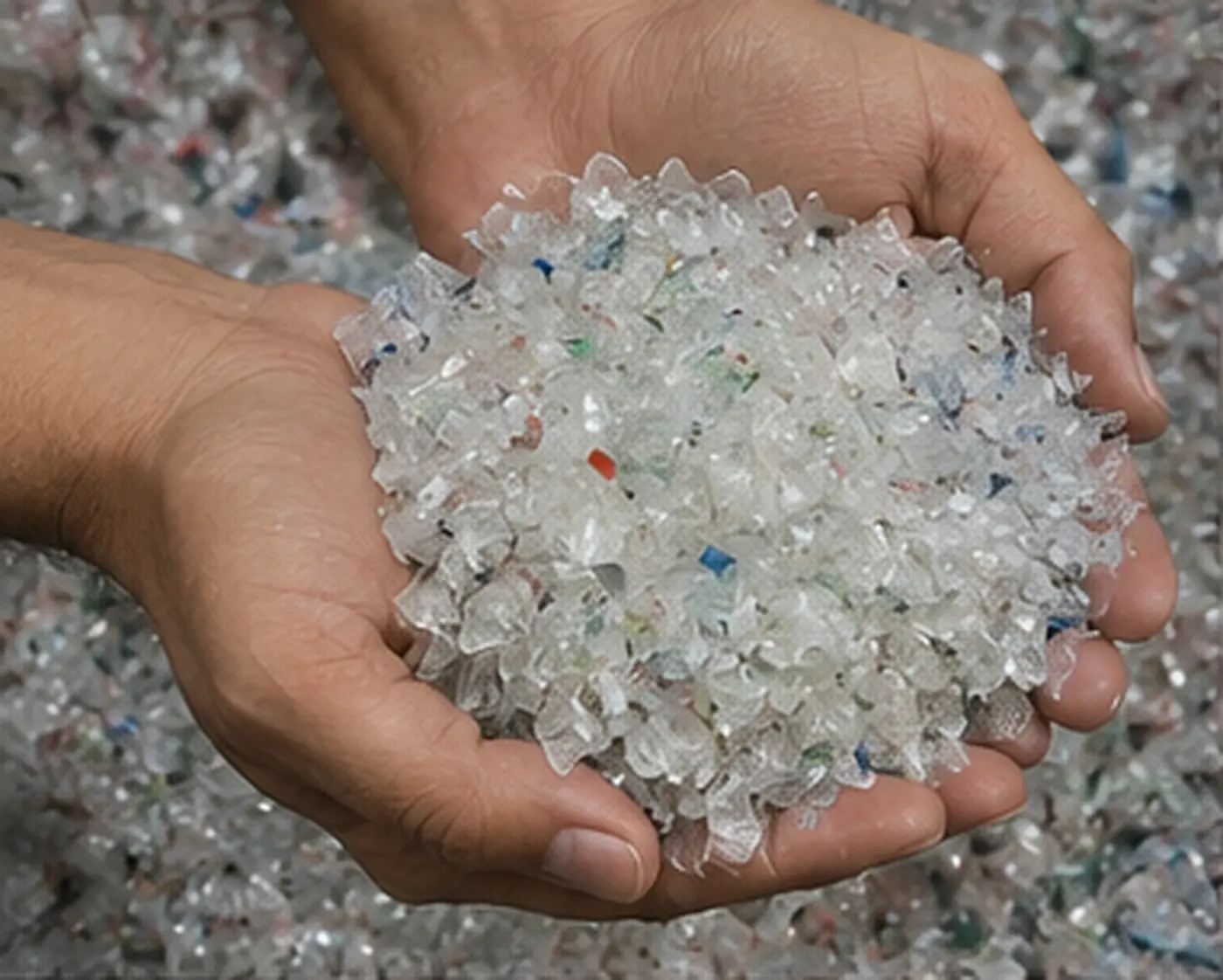
For polyester fibre and filament mills in the Faisalabad/Punjab belt — what rPET spec to demand, and how to source consistent flake.
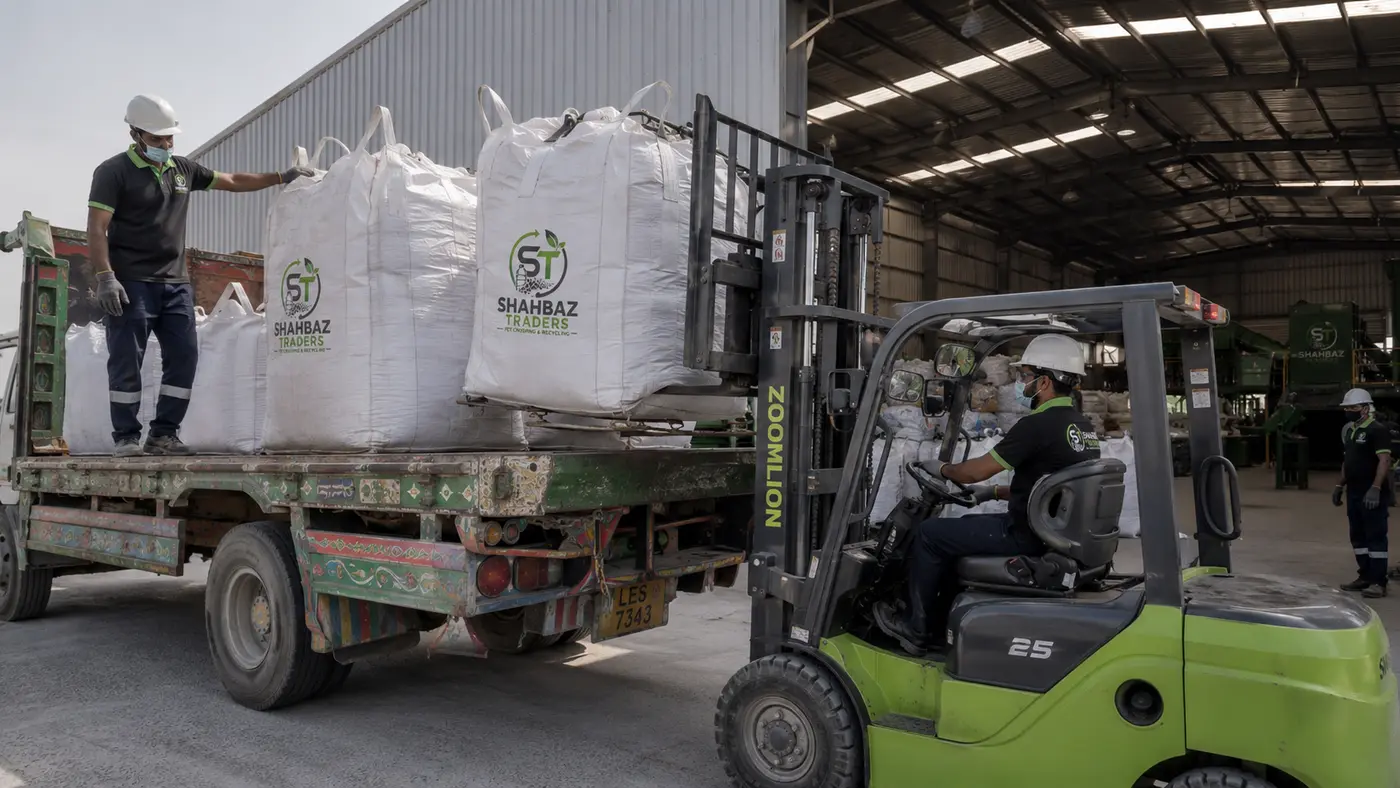
A practical playbook for Lahore & Faisalabad buyers to manage the winter rPET rate rise — timing, securing supply, and protecting margin without overpaying.
Raw PET bottle rates typically firm in winter — here is why, what sets your rate in Lahore, and how collectors and suppliers can make the most of the season.
Whether you have PET to sell or need premium recycled flakes, our team is ready to help you build a cleaner, more profitable supply chain.
Tell us your grade, application and monthly volume. We’ll quote with the spec behind it — COA & TDS on request.
Fair buy-back rates, honest weighing and prompt payment for vendors, factories and collection points.