Beat the Winter Rate Hike: Timing Your rPET Flake Purchases in Punjab
A practical playbook for Lahore & Faisalabad buyers to manage the winter rPET rate rise — timing, securing supply, and protecting margin without overpaying.

Buyers in Pakistan’s PET market hear grade names like “6 sooter” — but what actually decides a flake’s quality and price? This guide translates local grade terms into the measurable specs that matter, so you buy the right flake for your process.
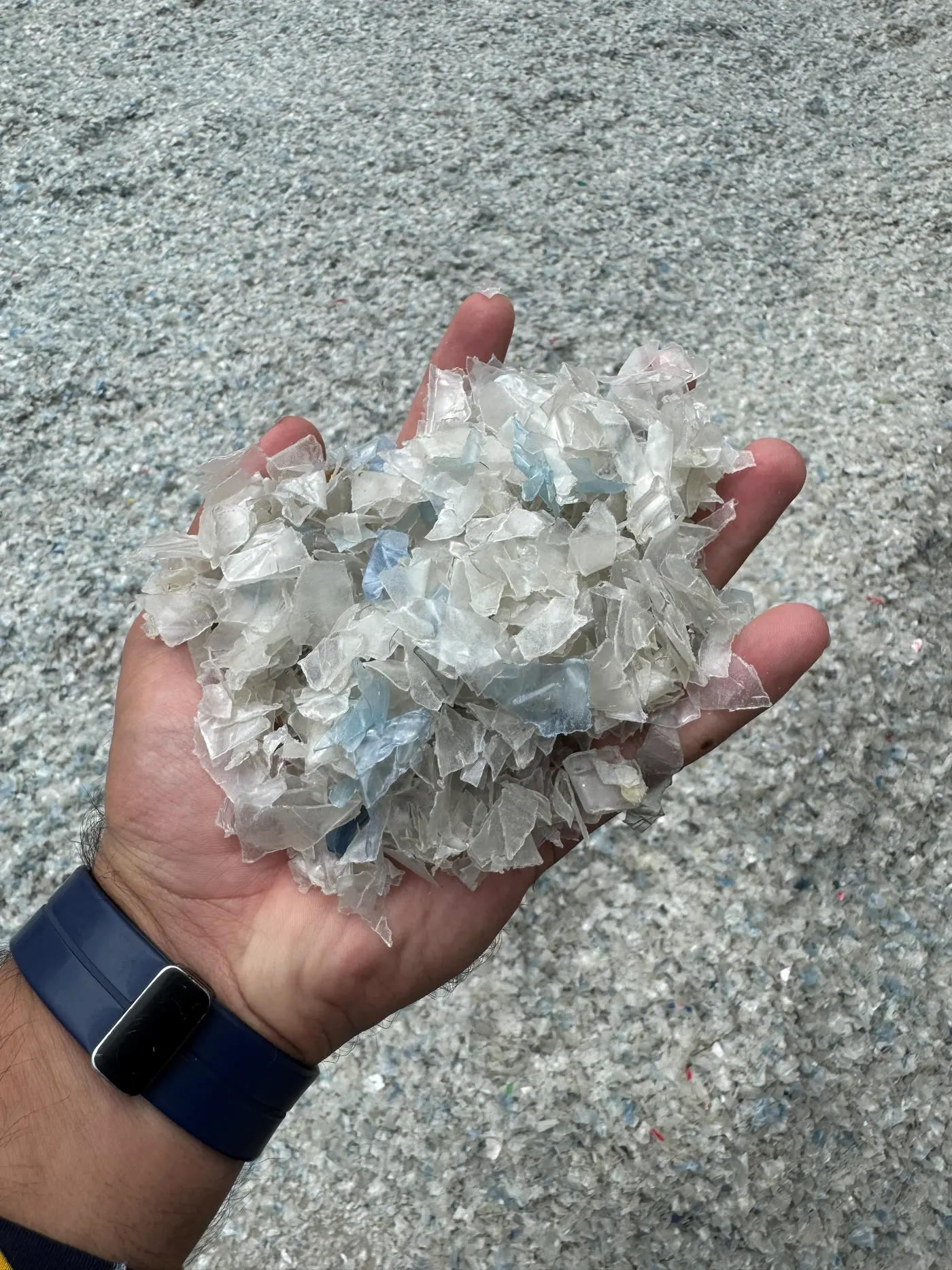
Anyone buying crushed PET in Pakistan runs into grade names quickly — and “6 sooter” is one you will hear in the market. These local trade terms are useful shorthand between buyers and suppliers, but they can also cause confusion, because the same name can mean slightly different things to different sellers. This guide does two things: it frames what a grade name like 6 sooter is pointing at, and — more importantly — it translates every grade name into the measurable specifications that actually decide whether flake runs well on your line and what it should cost.
“6 sooter” is a grade designation used in the local crushed-PET trade. Like other market grade names, it broadly signals a particular tier or size of clear flake — but the precise size and quality it refers to can vary between suppliers. So the golden rule is simple: whenever a grade name is quoted, ask the supplier to confirm exactly what it means — the flake size, the colour, the wash, and the contamination limits behind it. A name tells you roughly where you are on the ladder; the spec tells you what you are actually buying.
Behind any grade name, four measurable factors decide quality and price:
Flake is granulated to a target size range. Consistent, uniform flake feeds smoothly and melts predictably; a wide spread of sizes or too many fines causes problems. Grade names in the market often point at a size class — which is why confirming the actual size matters.
Clear flake is the premium stream — cleaner-looking, wider uses, higher price. Coloured and mixed flake is more economical and fine for tolerant applications. Colour sorting is a big part of what separates a high grade from a low one.
Hot-washed flake is cleaner and higher-grade because heated caustic washing removes glue, oils and residues; cold-washed flake is cheaper but only removes surface dirt. See hot-washed vs cold-washed for the full difference.
Low moisture (typically below 1%) and low contamination — especially PVC, plus PP/PE caps, metal and specks — mark a high grade. These are exactly the numbers a Certificate of Analysis reports.
| Application | Grade to aim for |
|---|---|
| Polyester fibre / filament | Clear, hot-washed, colour-sorted, low-moisture |
| Clear sheet / thermoforming | Clear, hot-washed, low specks |
| PET strapping | Clean flake — colour matters less than strength |
| Non-food packaging | Clear or coloured, hot-washed |
Matching grade to process is where buyers save money: paying for top-grade flake on a tolerant product wastes budget, while buying a low grade for an appearance-critical product costs you in rejects.
For a full supplier-vetting framework, see 10 questions procurement should ask.
Tell us your product and process — we’ll recommend the right grade, explain exactly what it means, and send a sample with its TDS.
Request a Quote WhatsApp us“6 sooter” is described as a local trade grade term; buyers should confirm the exact specification with the supplier. Chart values are illustrative.
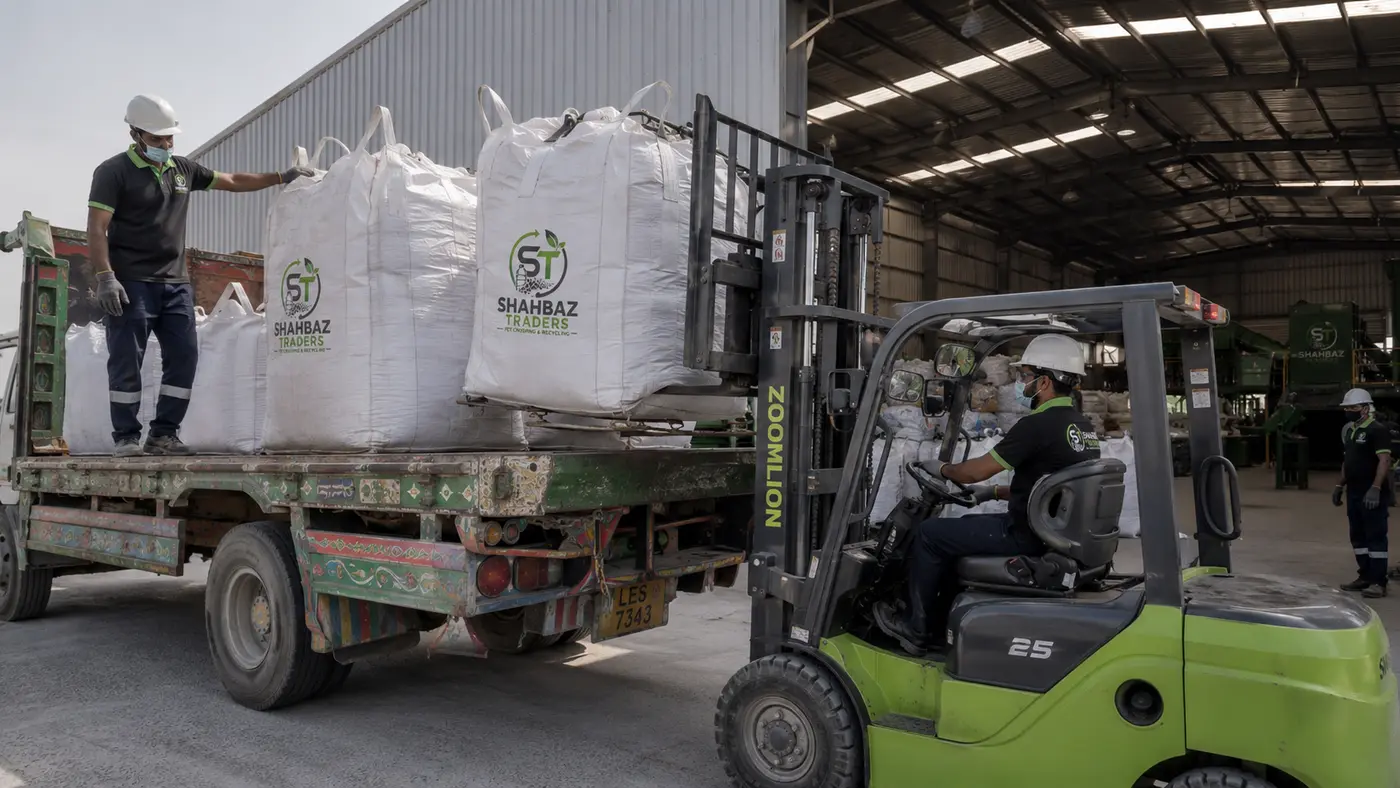
A practical playbook for Lahore & Faisalabad buyers to manage the winter rPET rate rise — timing, securing supply, and protecting margin without overpaying.
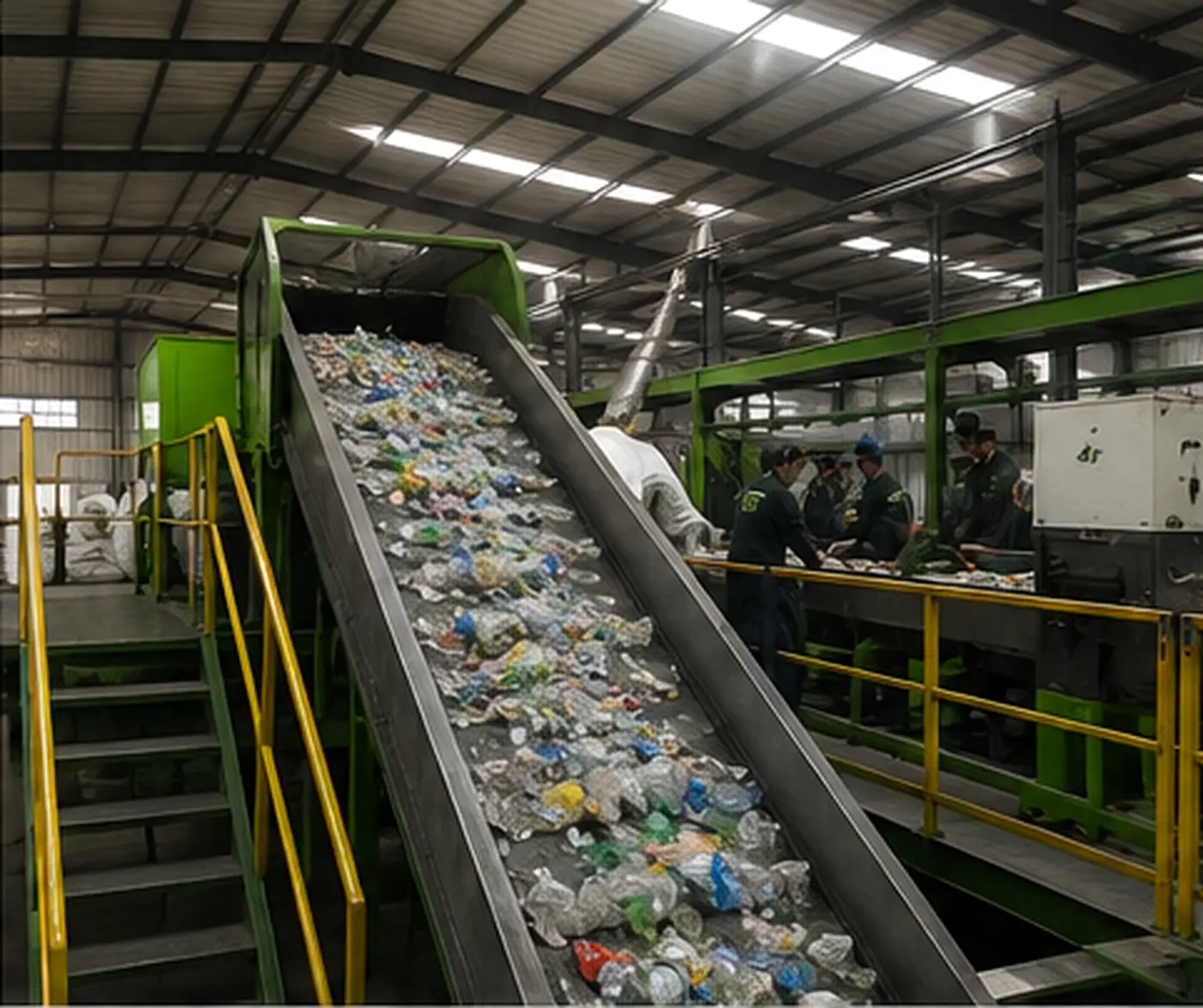
Raw PET bottle rates typically firm in winter — here is why, what sets your rate in Lahore, and how collectors and suppliers can make the most of the season.
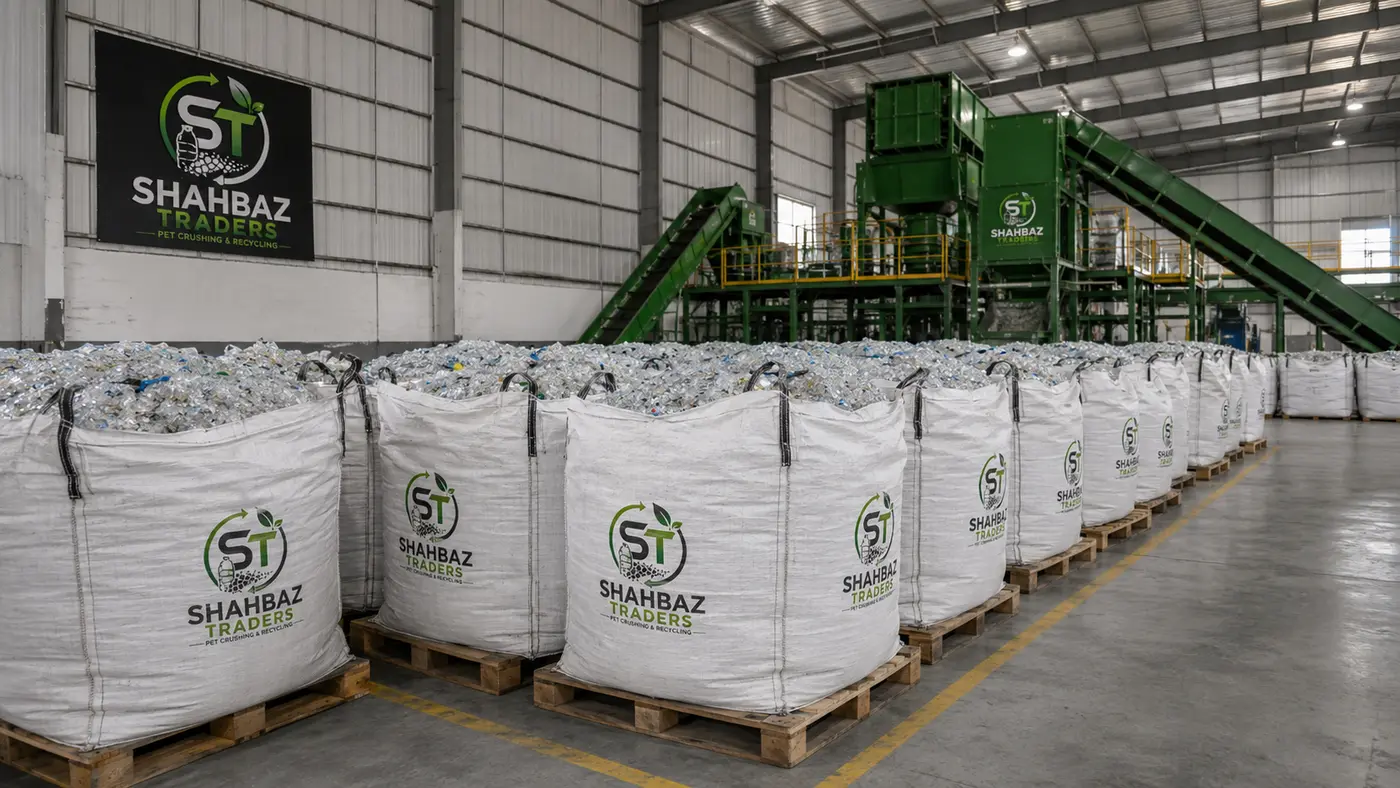
Why raw PET bottle and rPET flake rates climb in winter across Punjab — the supply-and-demand mechanics, and how buyers in Lahore & Faisalabad should plan.
Whether you have PET to sell or need premium recycled flakes, our team is ready to help you build a cleaner, more profitable supply chain.
Tell us your grade, application and monthly volume. We’ll quote with the spec behind it — COA & TDS on request.
Fair buy-back rates, honest weighing and prompt payment for vendors, factories and collection points.